The Numbers Don't Lie

Over one billion RCS messages are now sent every day in the United States alone. That's not a projection. That's happening right now.
For years, RCS was the messaging upgrade everyone talked about but few businesses acted on. The technology was ready, the carriers were ready, but without Apple, the ecosystem had a massive gap. That gap closed in late 2024 when Apple added RCS support to iOS 18, and the ripple effects are reshaping enterprise messaging in 2026.
What Changed: Apple Closed the Loop

RCS existed in a split world. Android users had it. iPhone users didn't. For businesses, that meant any RCS investment only reached part of their audience, while the rest got a plain-text SMS fallback.
Apple's adoption of the Universal Profile standard changed the math overnight. Businesses can now send rich, interactive messages that render natively on both platforms. No app downloads, no workarounds, no degraded experiences for half your subscribers.
The GSMA is pushing this further with Universal Profile 3.0, which introduces end-to-end encryption via Messaging Layer Security. That's currently in limited rollout for Google Messages and Apple Messages, but the direction is clear: RCS is becoming the default, and it's getting more secure.
Why This Matters More Than You Think
SMS works. It has for decades. But SMS is a one-dimensional channel. You send text, maybe a link, and hope the recipient takes action.
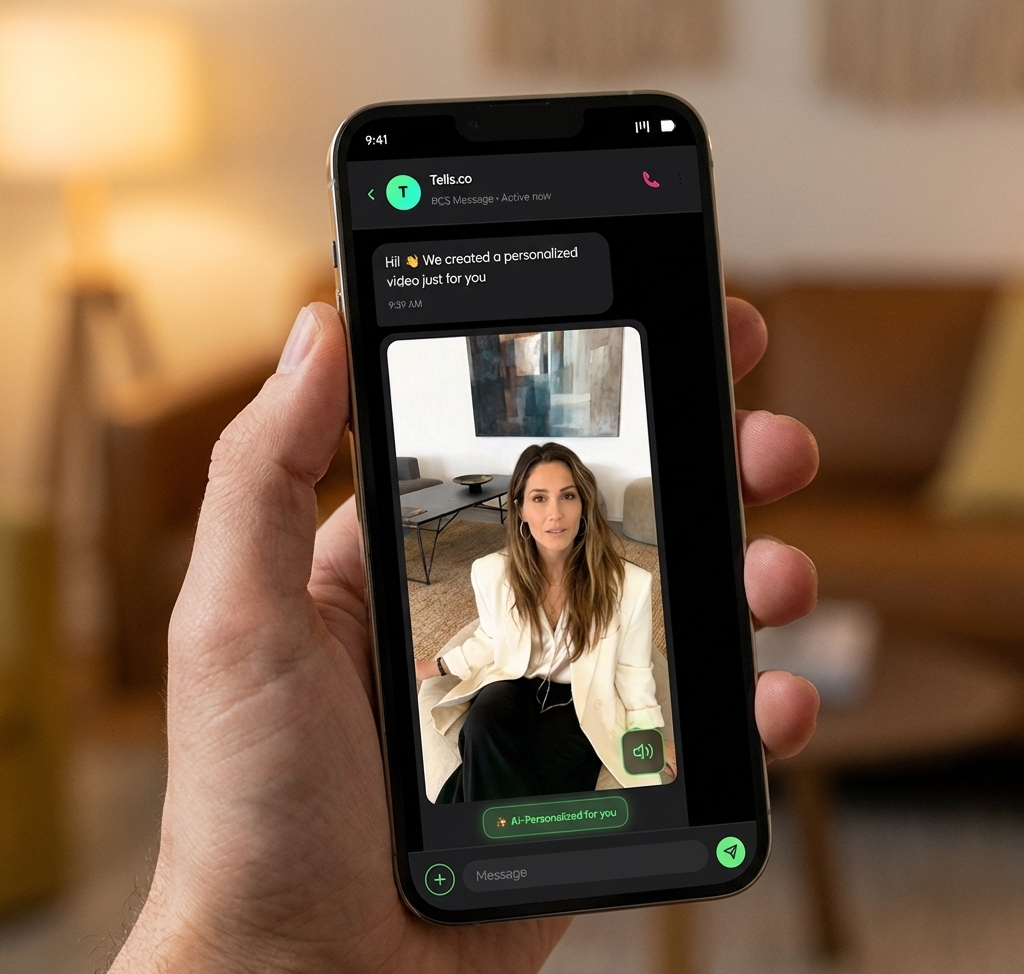
RCS transforms that interaction into something closer to an app experience, delivered straight to the native messaging inbox:
- Branded sender profiles with your logo and verified badge, so recipients know exactly who's messaging them
- Interactive carousels that let customers browse products, compare options, or pick appointment times without leaving the conversation
- Quick-reply buttons that eliminate typing friction and drive faster responses
- High-resolution media including images, video, and rich cards that display inline
- Read receipts and typing indicators that give you real delivery intelligence, not just "sent" confirmations
For high-volume messaging programs, these aren't nice-to-haves. They're conversion multipliers.
The Enterprise Adoption Curve Is Accelerating
Early movers are already seeing results. Brands using RCS report significantly higher engagement rates compared to SMS. That tracks with what you'd expect: richer content drives more interaction.
But the real acceleration is happening on the platform side. Messaging providers that invested in RCS infrastructure early are now positioned to serve the wave of enterprises moving from "interested" to "implementing."
Tells was among the first US platforms approved for RCS Business Messaging, which means the infrastructure, compliance frameworks, and carrier relationships are already in place. Businesses don't have to build from scratch or wait for their provider to catch up.
What About Compliance?
Every new channel brings compliance questions, and RCS is no different. The good news: RCS inherits much of the regulatory framework from SMS. TCPA consent requirements still apply. CTIA guidelines still govern messaging practices. Carrier registration is still required.
The key difference is that RCS adds a verification layer. Brands must be verified by the carrier ecosystem before they can send RCS messages, which actually raises the bar for quality. Spammers and bad actors face higher barriers to entry than they do with SMS.
For compliant messaging programs, this is a net positive. Verification builds trust, and trust drives engagement.
SMS Isn't Going Anywhere
Let's be clear: SMS remains the backbone of business messaging. Not every phone supports RCS yet, not every carrier has full coverage, and SMS has the unmatched advantage of universal reach.
The smart play isn't replacing SMS with RCS. It's building a messaging strategy that uses both. Send RCS where supported, fall back to SMS where it's not. Your subscribers get the best experience their device allows, and your delivery rates stay rock-solid.
This dual-channel approach is where platforms with deep carrier relationships have a significant edge. Seamless RCS-to-SMS fallback requires tight integration with carrier networks, not just API access.
What You Should Do Now
If RCS isn't part of your 2026 messaging roadmap, it should be. Here's where to start:
- Audit your current messaging program. What percentage of your subscribers are on RCS-capable devices? The answer might surprise you.
- Talk to your messaging provider. Ask specifically about RCS Business Messaging support, not just "RCS compatibility." There's a difference.
- Start with one use case. Welcome messages, appointment confirmations, or product showcases are natural first candidates for RCS.
- Plan for fallback. Any RCS strategy needs a clean SMS fallback path. Make sure your platform handles this automatically.
The tipping point already happened. The question isn't whether RCS will matter for your business. It's whether you'll be ready when your competitors are already using it.