Every dialer in America is paying to ring numbers nobody picks up. Disconnected lines, recycled SIMs, freshly ported VOIP burners all look identical on a CSV, and they quietly bleed budget the moment a campaign hits send. We got tired of watching it happen, so we built something about it.
The Problem Nobody Wants to Talk About

Outbound and KYC teams have been stitching together the same patchwork for years. One vendor for line validation. Another for caller name. A third for identity verification. Three contracts, three invoices, three APIs that disagree on whether a number is real, and a CSV that still ships with 30% dead weight.
The cost adds up fast. Every SMS sent to a recycled SIM is wasted spend. Every dial to a disconnected line is wasted agent time. Every onboarding flow that trusts a freshly ported VOIP burner is a fraud incident waiting to surface.
What We Just Shipped

On May 7, 2026, we released the Tells Phone Intelligence API suite. Seven endpoints, one REST integration, one API key. It runs on carrier-grade data sources routed through licensed carrier and identity-verification partners. No scraped data, audit-ready for regulated industries, transparent per-call pricing.
"Most outbound budgets fund a graveyard of recycled SIMs. We priced a single API call at less than the SMS you were about to waste." David Schlaegel, Co-Founder
The Seven Endpoints
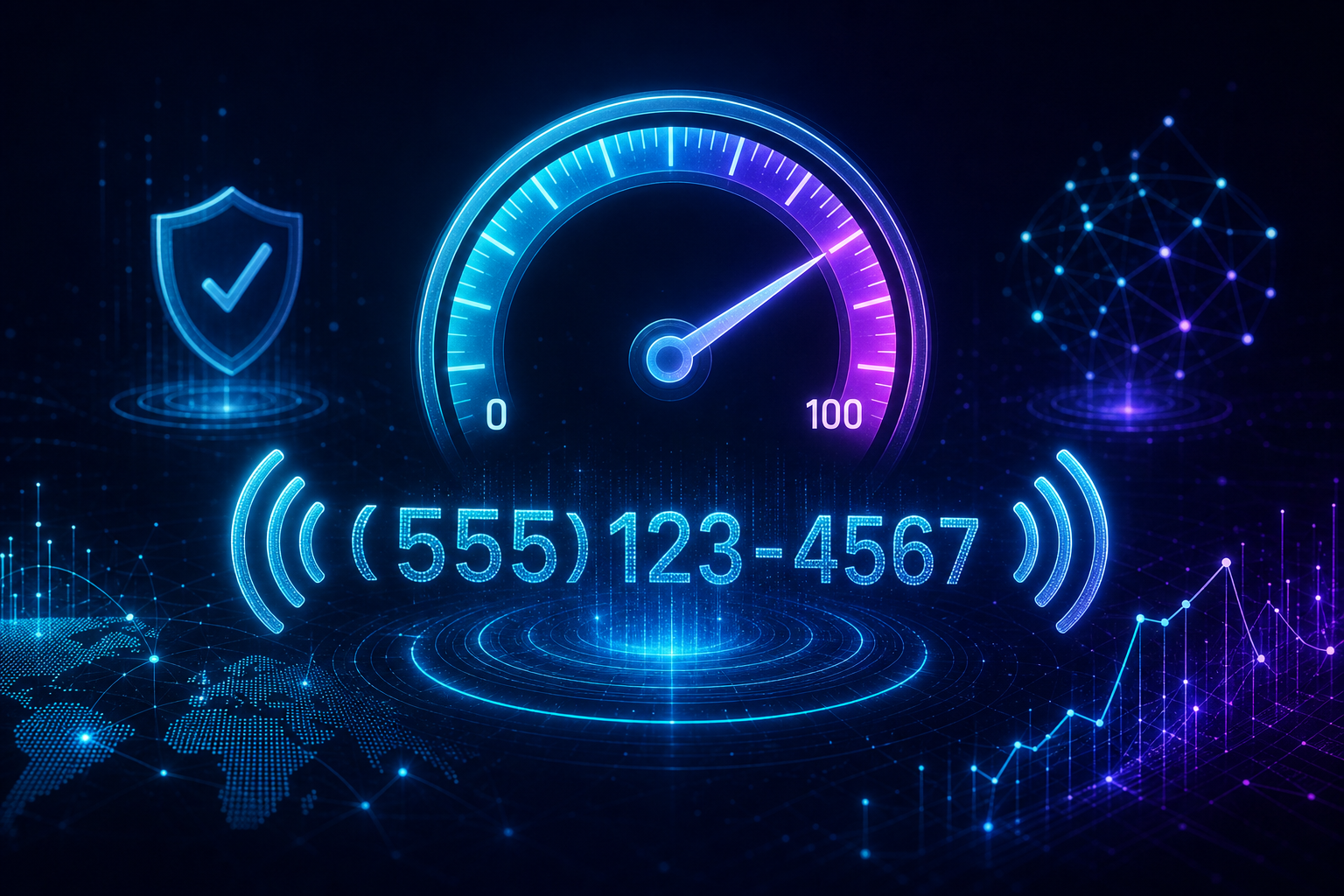
The headliner is Phone Activity Score. It validates the line, returns carrier and line type (mobile, landline, VOIP), pulls CNAM, and assigns a 0 to 100 score based on how recently and frequently the number shows signal across the network. Cold numbers get flagged before a single SMS or dial is spent.
From there the suite climbs the identity graph:
- Smart CNAM Lookup: caller name exactly as it appears on caller ID
- Reverse Phone Lookup: full profile including name, addresses, age, emails
- Reverse Address Lookup: current residents at any U.S. street address
- Find Person by Address: name plus address confirmation, returns phone, email, age
- Caller Identification: real-time agent screen-pops
- Real Contact Validation: cross-references phone, name, and email into a single confidence score on whether they belong to the same human
That last one is the synthetic-identity killer. One API call, one verdict, no more guessing whether the application sitting in your queue is a real person or three stolen data points wearing a trench coat.
How It Actually Works
You send a phone number. You get back identity and activity signal in under a second. That is the whole shape of it.
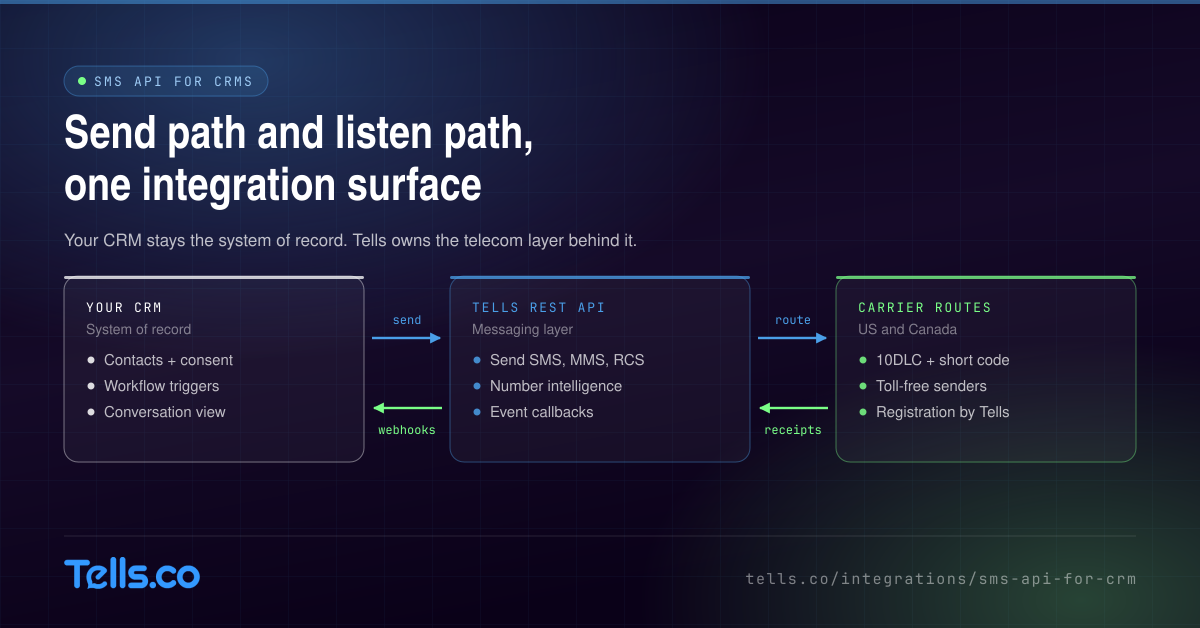
Behind the curtain, the suite is routing your request through carrier partnerships and identity-verification sources, normalizing the response, and returning structured JSON your existing pipeline can consume. There is no SDK to install if you do not want one. There is no separate dashboard to log into for each endpoint. One key gets you the whole stack.
Why This Matters Now
The economics of outbound have shifted. SMS prices keep climbing, agent time is more expensive than ever, and regulators are paying closer attention to who you are actually contacting and why. The teams winning right now are the ones spending money on real humans who actually answer, not on the graveyard of numbers that look fine on paper.
If you are running an outbound program, a KYC flow, a fraud team, or a contact center, the math is brutal: validate before you contact, or pay for the privilege of dialing into the void. We built this because we wanted the validate-first path to be cheaper, faster, and easier to integrate than the alternative.
For existing Tells customers, the new endpoints pair directly with our SMS platform. Validate the number, score it, message it, all in one workflow with one bill at the end of the month.
Try It
The full suite is live today. Pricing is per call, billing is transparent, and the same API key unlocks every endpoint. Spin up an integration, point it at a sample of your worst-performing list, and watch the dead numbers fall out before you spend another cent on them.