A national retailer schedules a 9 a.m. Eastern flash sale text, and suddenly SMS quiet hours are a real problem. Customers on the West Coast get the message at 6 a.m. Some reply STOP. Some complain to their carrier. It's an illustrative example, but it happens more often than most teams admit.
SMS Quiet Hours Are a Compliance Issue, Not Just Good Manners
Most teams treat timing as a marketing tweak. I think that's backwards. SMS timing is a compliance control first and an optimization second.
What the federal rule says
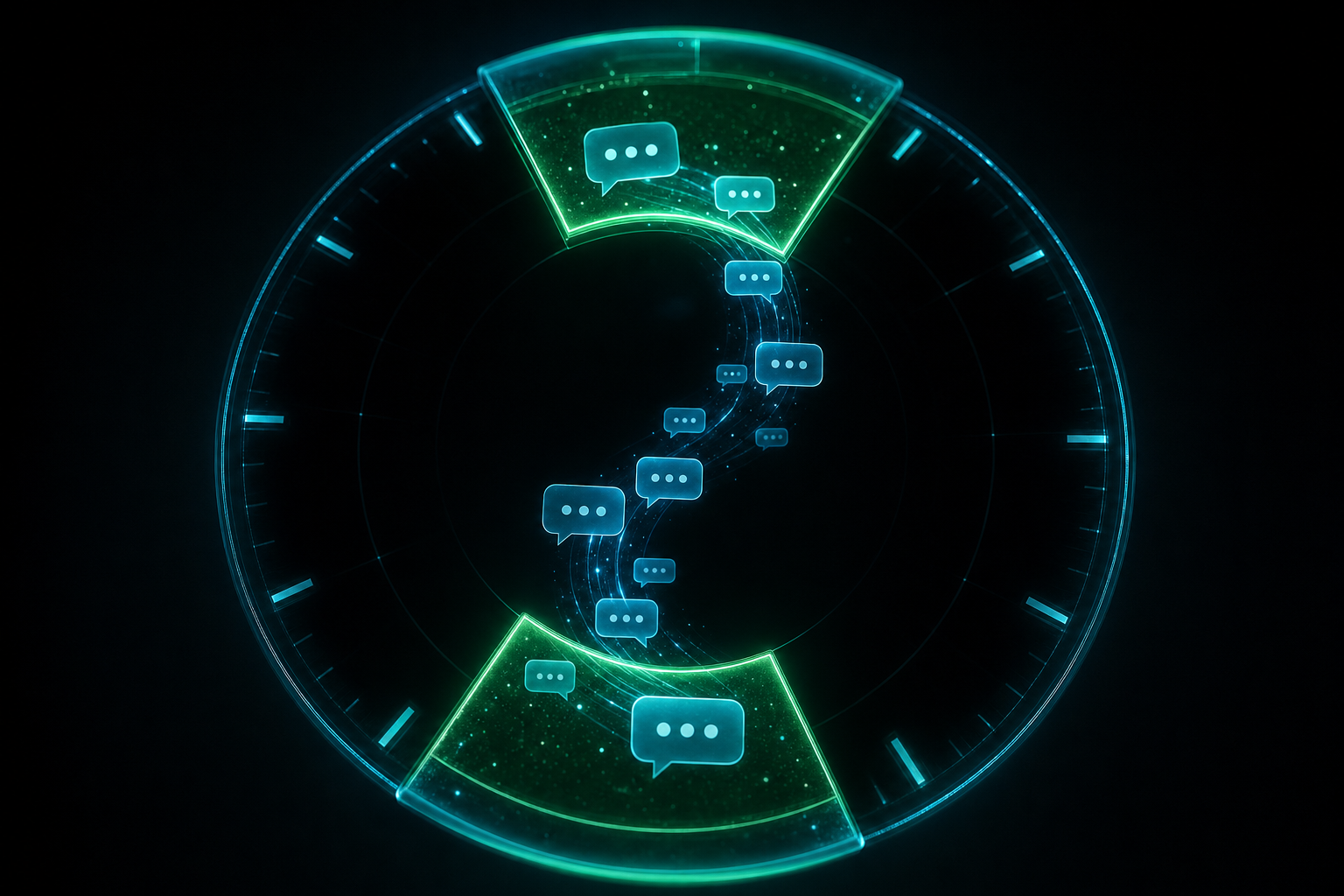
Under the TCPA's telemarketing rules, marketing calls and texts generally can't go out before 8 a.m. or after 9 p.m. in the recipient's local time. The key words are "recipient's local time." Your office clock doesn't count.
The FCC explains the basics on its unwanted calls and texts guide. Treat TCPA compliance as the floor, not the finish line.

Where states get stricter
Some states set tighter windows. Florida, for example, limits telephone solicitations to 8 a.m. to 8 p.m. Other states have their own rules on days, holidays, and frequency.
I'm not a lawyer, and this post isn't legal advice. Have counsel confirm the rules for every state you text.
How SMS Timing Affects Conversion and Complaints
Legal exposure is only one cost. A text that lands at a bad moment gets ignored, deleted, or reported. People who feel interrupted opt out, and they remember the brand that did it.
Timing touches three things at once:
- Conversion: a message that arrives when someone can act on it has a better shot at working.
- Complaint rates: early or late texts push people to opt out or report the sender.
- Legal exposure: a window violation can create risk on every message in the batch.
Carriers and industry groups care about this too. The CTIA messaging guidance stresses consent, clear opt-outs, and respectful sending practices.
Quiet Hours Depend on Place, Customer, and Campaign Type
One rule for everyone doesn't work. Three things change the right answer.
Jurisdiction
Federal and state windows differ. A single national send can cross many time zones and several legal regimes at once. Your campaign scheduling has to account for each recipient, not just the sender.
Customer expectation
Legal doesn't always mean welcome. A customer who opted in for pickup alerts expects a text at 7:30 a.m. on a Saturday. The same customer probably doesn't expect a promo at that hour.
Campaign type
A fraud alert or delivery update isn't the same as a sale announcement. Transactional and promotional messages carry different expectations and, in many cases, different rules. Your send logic should know the difference.
What a Responsible Platform Needs
If you're evaluating a messaging platform, look for these basics. If a vendor can't show them, you'll be doing the work by hand.
- Timezone handling: sends are based on each recipient's local time, not yours.
- Send-window controls: you set the earliest and latest allowed times per campaign, and the platform enforces them.
- Suppression logic: opted-out numbers, and contacts you shouldn't reach right now, are blocked automatically.
- Queueing, not dropping: messages that miss a window wait for the next open one instead of failing silently.
- Audit visibility: you can see what was scheduled, what was held, and why.
The hard part is the area codes. A phone number's area code is only a rough hint about where someone is. Good timing logic uses the best location data you have and picks the cautious option when it's unsure.
How Tells Builds Timing Into the Workflow
Here's our philosophy. Compliance shouldn't depend on someone remembering a rule at 4:55 p.m. on a Friday. We'd rather build a platform that blocks a risky send than one that says yes to everything.
That's why Tells puts timing controls inside the campaign workflow itself. You set your send window while you build the campaign, not in a separate checklist. Timezone handling and suppression checks run as part of the same flow.
It works the same way across Tells RCS and messaging solutions. You can read more about how we approach safeguards on our compliance and security page. For more practical guides like this one, browse our insights library.
A tool can't replace legal advice. But it can make the safe path the default path, and that's the point.
Frequently Asked Questions
What are SMS quiet hours?
SMS quiet hours are the times of day when you shouldn't send marketing texts. Under the federal TCPA rules, that generally means before 8 a.m. and after 9 p.m. in the recipient's local time. Some states set tighter limits.
Do SMS send windows apply to every message?
Not always. Rules often treat promotional and transactional messages differently. Check with counsel, and set separate send windows for each campaign type.
Which time zone should I use for campaign scheduling?
Use the recipient's time zone, not yours. If you can't tell where a contact is, choose the more conservative window.
Is a send-window feature enough for TCPA compliance?
No. Timing is one piece. You also need valid consent, clear opt-out handling, and good records. Send-window controls reduce one common source of risk.
Have Tells review your send windows before your next national campaign.