Cold outbound voice is broken. Carrier spam scoring labels unknown numbers as "Scam Likely" before the phone even rings. Recipients have been trained to hit Decline first and read second. The math has tilted so far against unsolicited calls that most outbound dials end at voicemail, and most voicemails go unheard.
We built SMS Call Request to fix the root cause: nobody wants a stranger calling them, but most people will take a scheduled two minute call from a business they recognize.
How it works
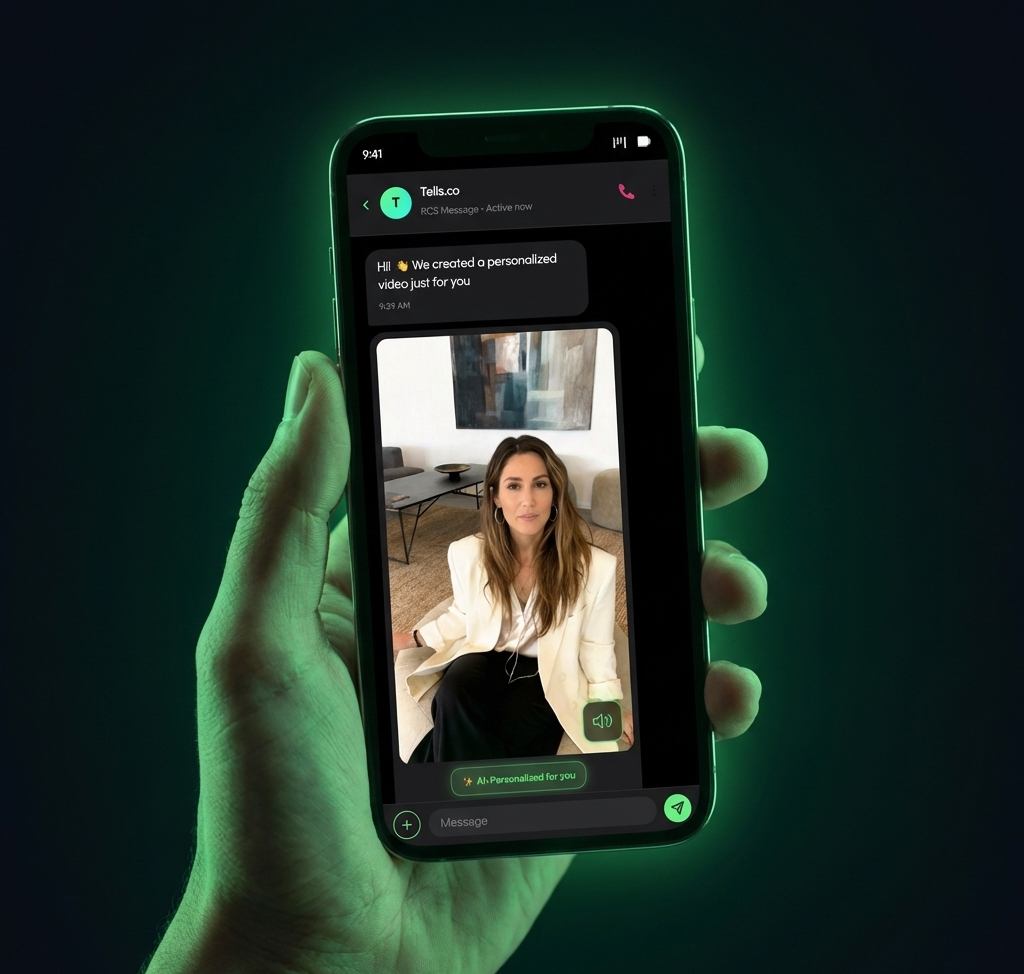
Here is the entire flow from your customer's perspective:
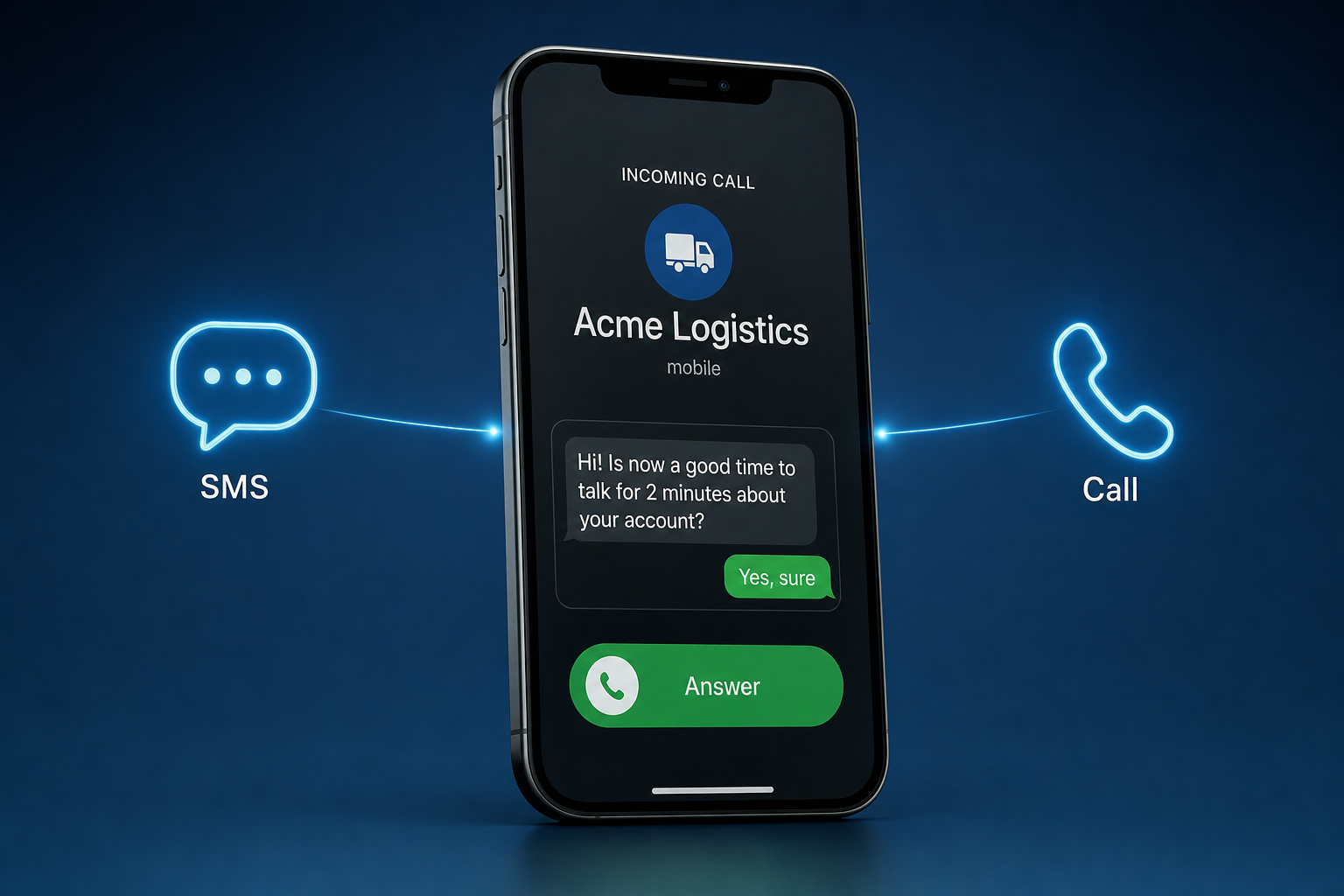
- They receive a short SMS from your Tells business number: "Hi Sarah, this is Acme Logistics. Is now a good time to talk for 2 minutes about your shipment?"
- If they reply "yes" or any affirmative variant, Tells automatically dials them within seconds from the exact same number that just texted them.
- When their phone rings, the caller ID shows your verified brand name, not "Scam Likely." The SMS thread is already visible above the answer button on most modern smartphones.
- They answer, because they just said yes.
If they don't reply, or they say no, no call is placed. You save the dial cost, you save the carrier reputation damage that comes with high decline rates, and the recipient is not interrupted.
Why pickup rates go up

Three structural changes happen the moment you put a consent SMS in front of the dial:
1. The carrier spam score for that number stays clean. Spam scoring is partly a function of decline rate and how quickly recipients reject the call. When the only calls you place are to people who just opted in, decline rates collapse. The number stays trusted across T-Mobile, Verizon, and AT&T's anti-spam systems.
2. Pickup rate goes up by multiples. Recipients who replied affirmatively pick up at rates several times higher than recipients receiving cold dials from the same number. They are warm, they are expecting the call, and the call shows up tied to an SMS thread they just sent a reply to.
3. Past SMS shows on the incoming call screen. Modern iOS and Android both surface recent text history from a contact on the incoming call screen. Your recipient sees the question they just answered, sitting directly above the answer button. That context window between the SMS and the call is the difference between a confused recipient and a willing one.
Where this actually changes operations
This is not a marketing tweak. It changes how outbound calling teams allocate their time.
If your agents spend their day dialing into voicemails and answering machines, every voice minute is wasted. With SMS Call Request, your agents only get connected to recipients who confirmed they have two minutes right now. The voicemail-to-conversation ratio inverts. Call center capacity that used to be burned on dead air becomes available for actual customer conversations.
For collections, scheduling, account verification, support callbacks, debt resolution, and any other use case where the recipient already knows your brand and you need a short conversation, SMS Call Request makes the math work again. The recipients you reach are the ones who chose to be reached, on a schedule they agreed to.
What changes for your developers
Existing customers do not need to rewrite anything. SMS Call Request is exposed as a single API call. Configure the call request template (a short SMS body with a placeholder for the recipient's name and a one line context), set the affirmative keyword set (Tells defaults to YES, Y, OK, SURE, GO, plus configurable extras), set the dial delay (default: 5 seconds after affirmative reply), and the platform handles the rest. Webhooks deliver the consent state, the dial attempt, the call outcome, and the call recording if enabled. Two way SMS responses from the same thread continue to route normally.
Recipients who reply with STOP at any point are added to the per-sender suppression list automatically. The standard Tells compliance engine handles STOP, HELP, and SHAFT enforcement on the consent SMS itself the same way it does on any other outbound text.
Where to start
SMS Call Request is available today on any Tells number that has voice and SMS enabled. Existing customers can flip it on through the dashboard or by asking their account engineer. New customers will get it included by default during onboarding.
We are not here to dial strangers. We are here to schedule conversations. The phone works better when the recipient gets to choose if they want to be on it.
We stopped dialing strangers cold. We ask first, on the same number, and the people who say yes actually pick up. The phone stops being an interruption and starts being a scheduled conversation, even if the schedule is thirty seconds long.
David Schlaegel, Co-Founder, Tells