RCS Verified Sender Badges: The Trust Signal That Doubles Open Rates
RCS verified sender badges show your logo, name, and a checkmark in every thread. Here's how they double open rates and how Tells gets your brand verified fast.
Discover strategies, trends, and best practices in SMS marketing, AI messaging, and customer engagement.
RCS verified sender badges show your logo, name, and a checkmark in every thread. Here's how they double open rates and how Tells gets your brand verified fast.
Most SMS platforms report 'delivered' the moment a carrier accepts your message. Here's why that number is misleading and what 98%+ deliverability actually looks like.
A self-funding Android ad fraud operation hijacked 24 million phones and generated 659 million fake ad requests a day. The deeper failure was verification. Here is how SMS/voice 2FA and Number AI close the gap before the damage, not after.
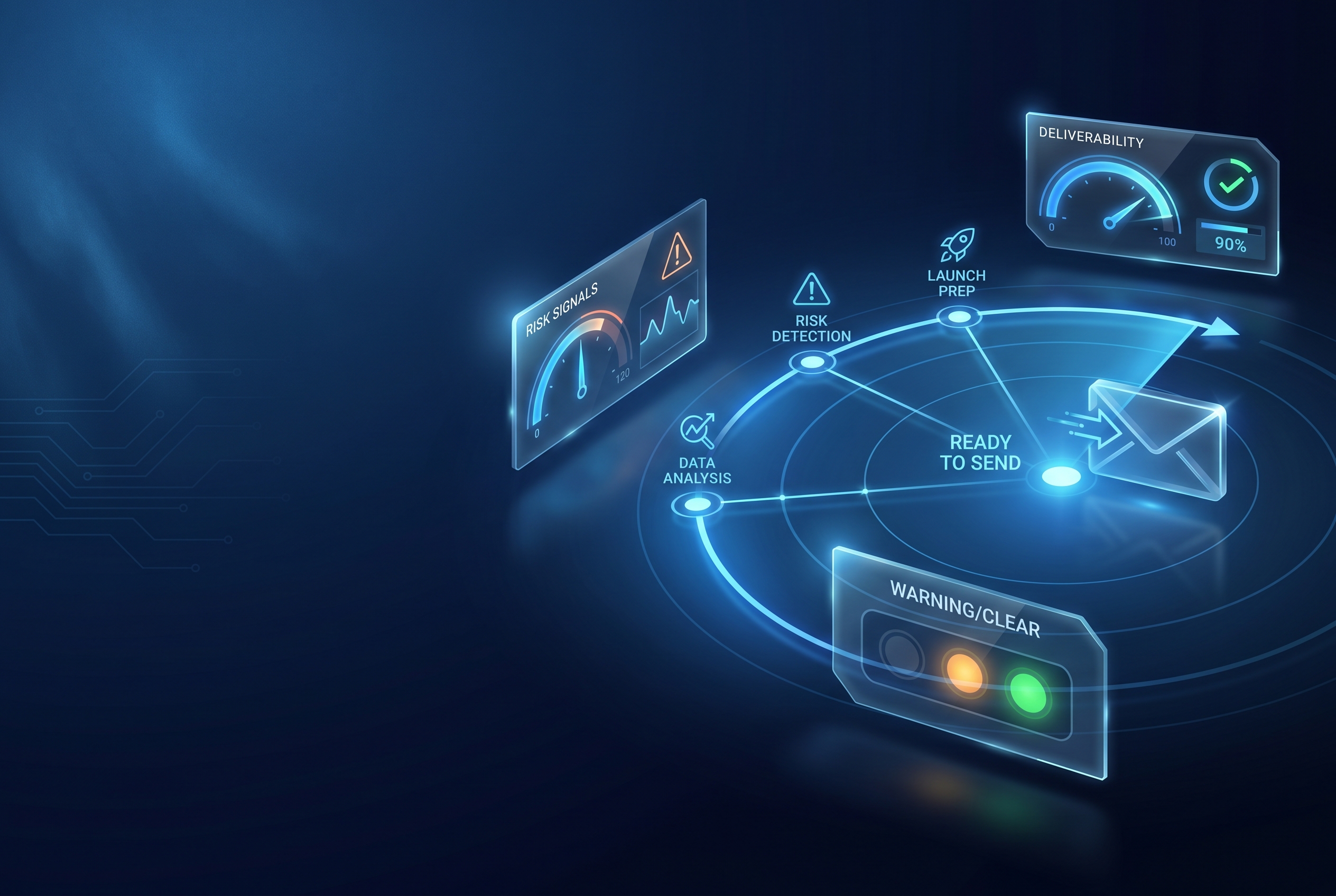
Most SMS platforms send first and report later. Tells now surfaces deliverability and compliance risk on every campaign before a single message reaches a carrier network.
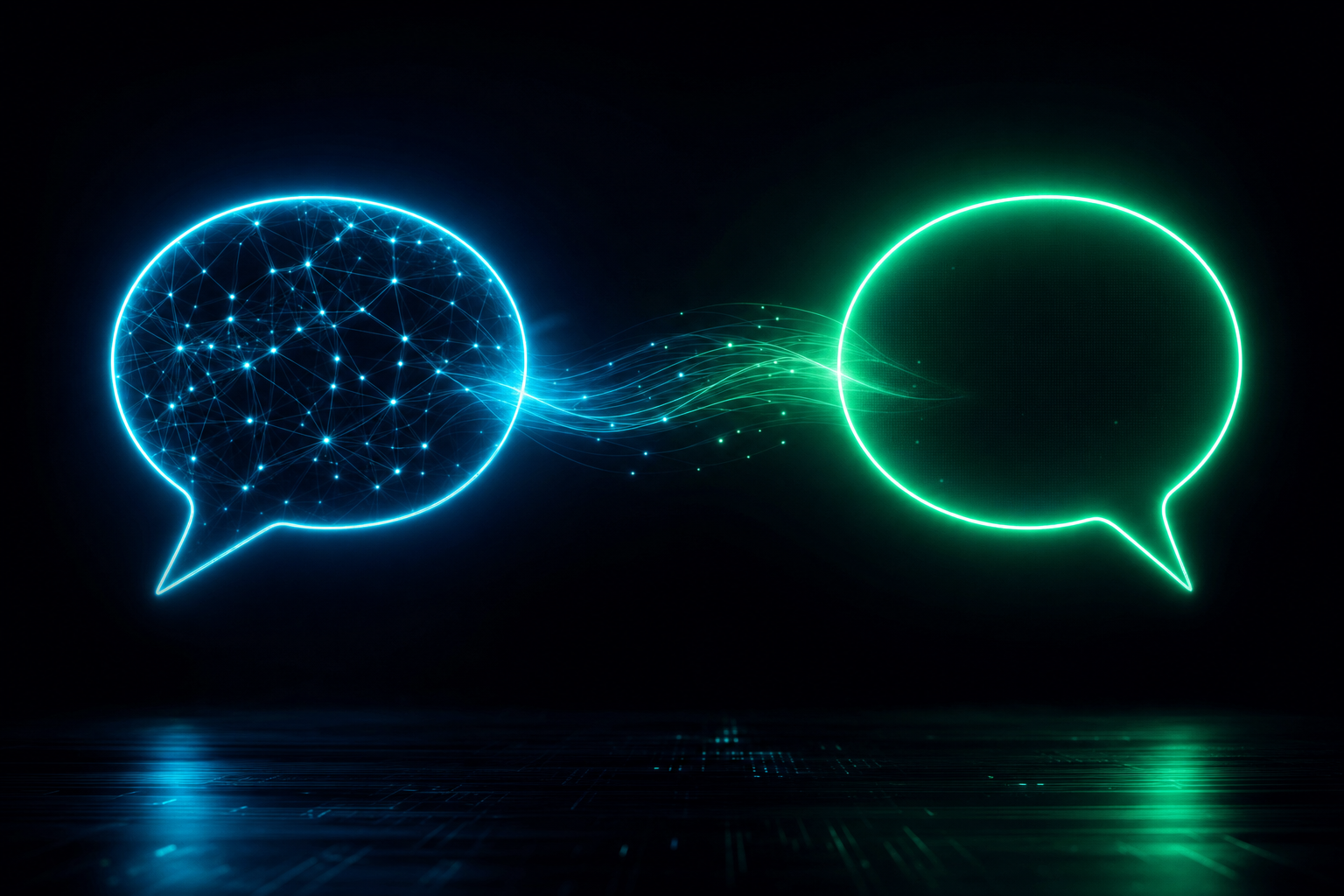
Two-way SMS sounds simple until you actually try to do it at scale. You send 50,000 messages on a Tuesday morning. Replies start flooding in. \"Is this still av
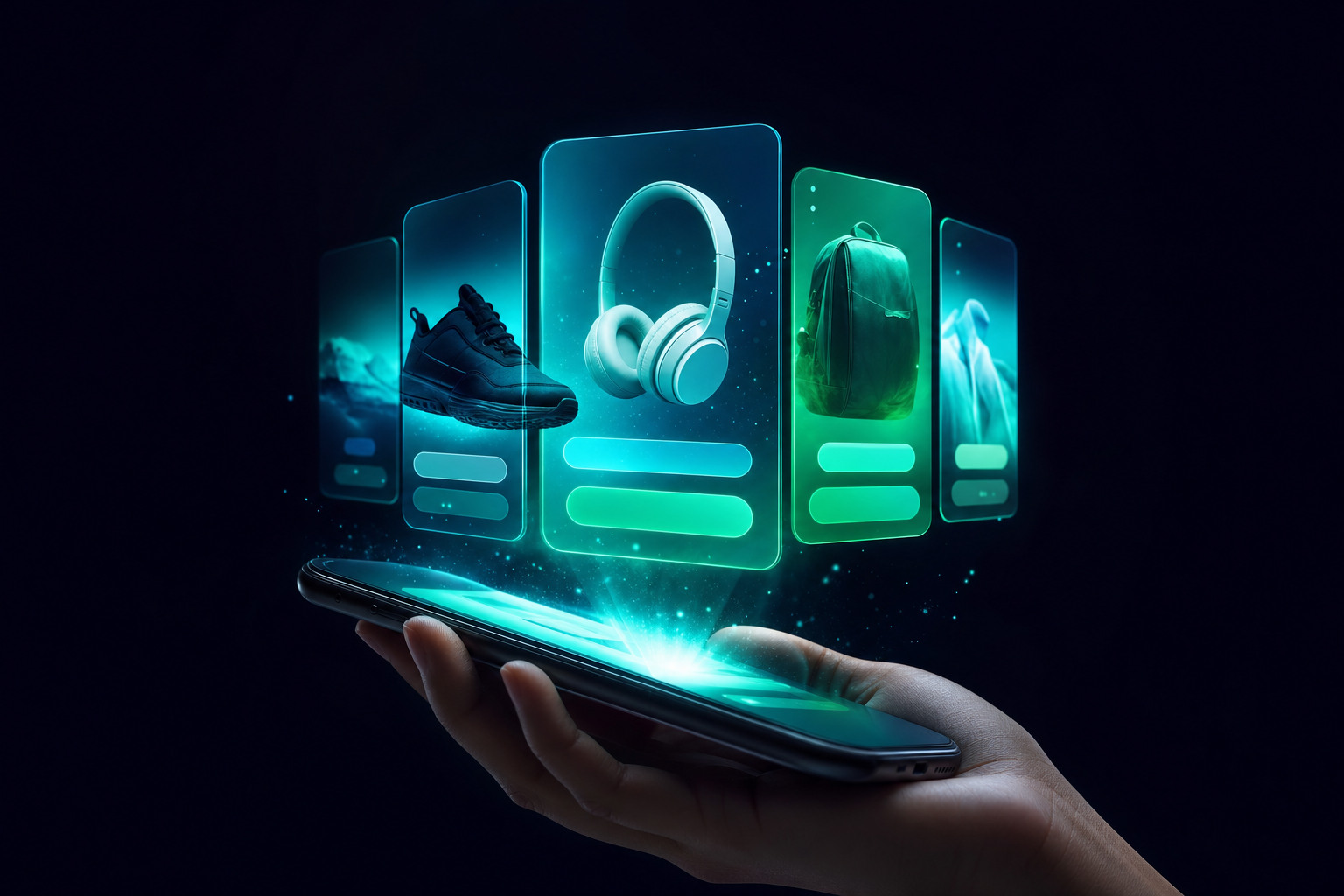
MMS is a photo. RCS Rich Cards are interactive mini-apps with tap-to-buy buttons, verified sender badges, and 3x better conversion. Here's what early campaign data shows.
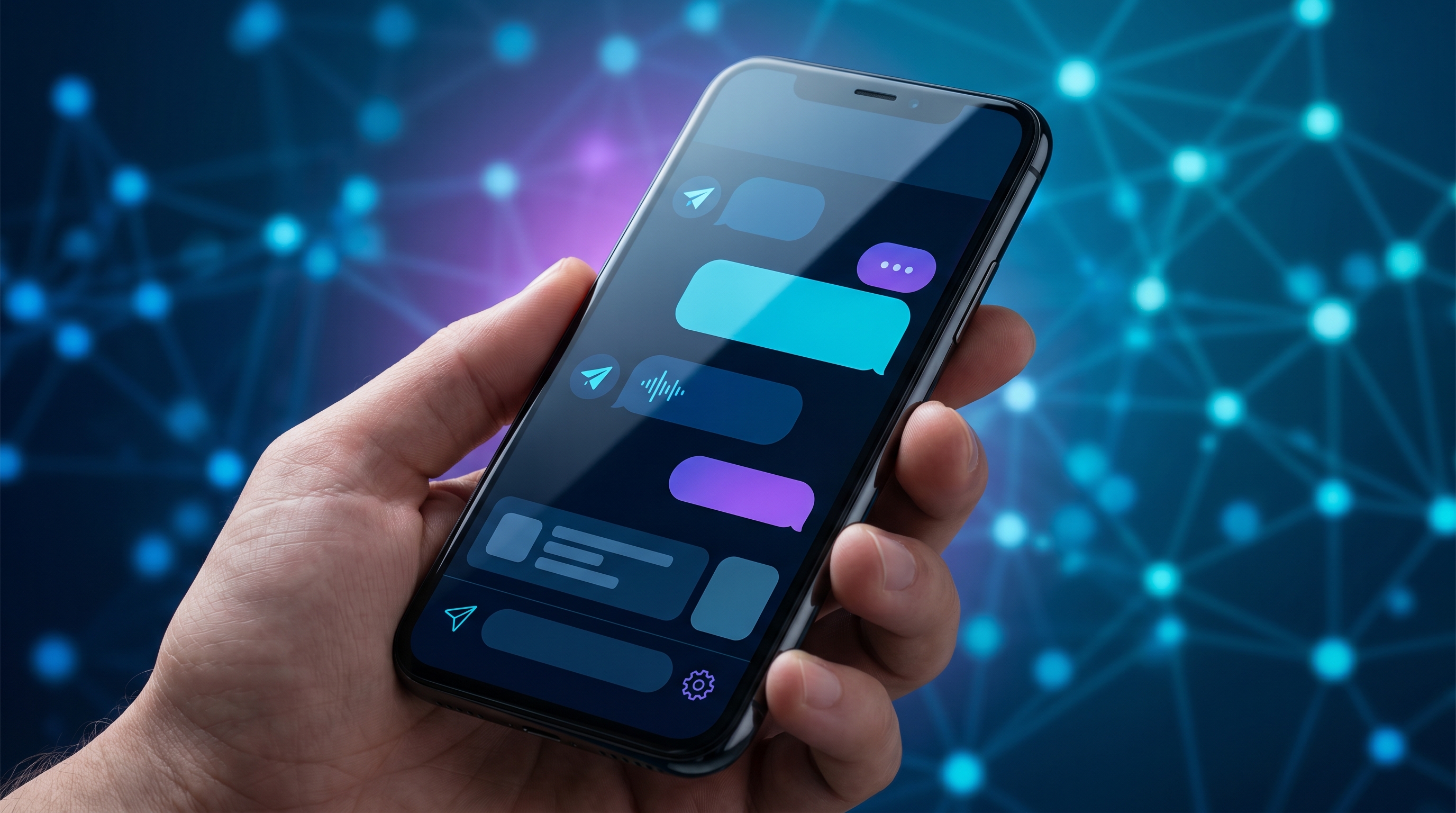
Bulk SMS still works when it is targeted, compliant, and tied to a clear next step. Here is how teams can use scale without turning every recipient into a cold blast.
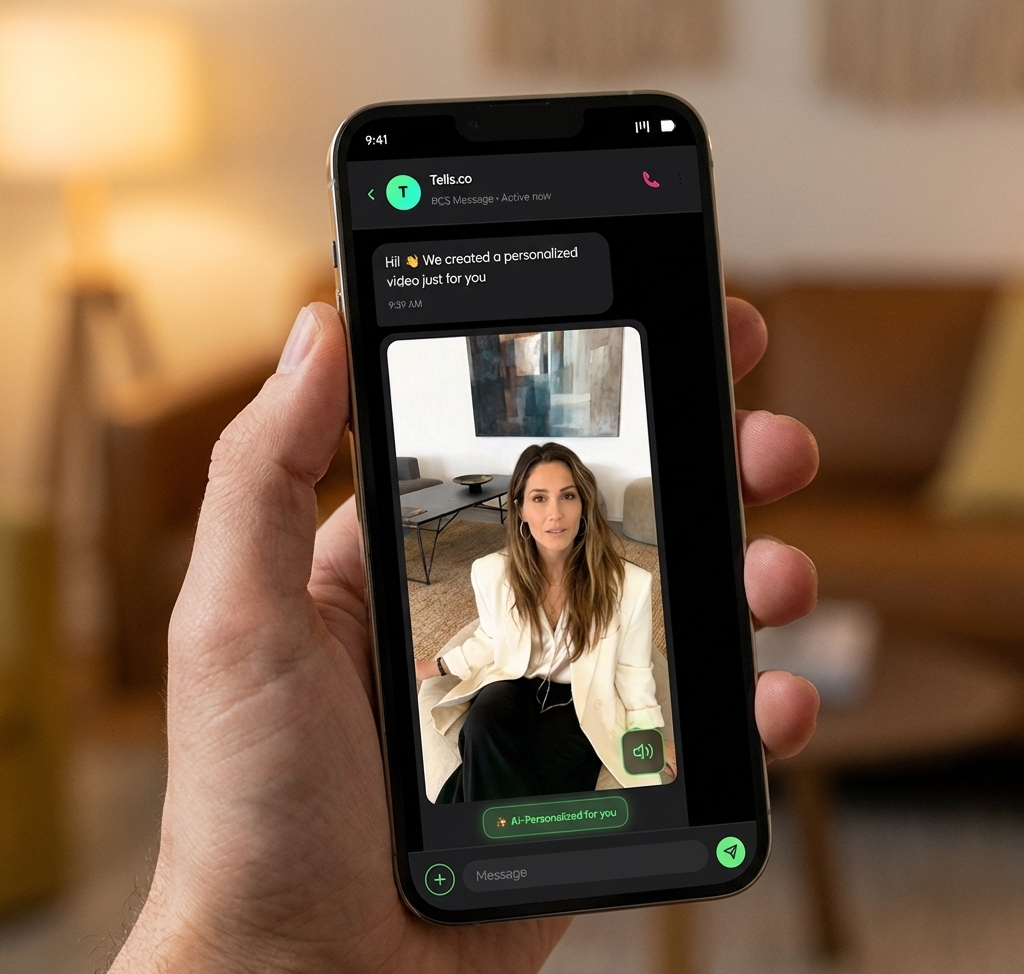
RCS is not just prettier SMS. It is a better follow-up layer when a product, offer, appointment, or proof point needs more context than plain text can carry.
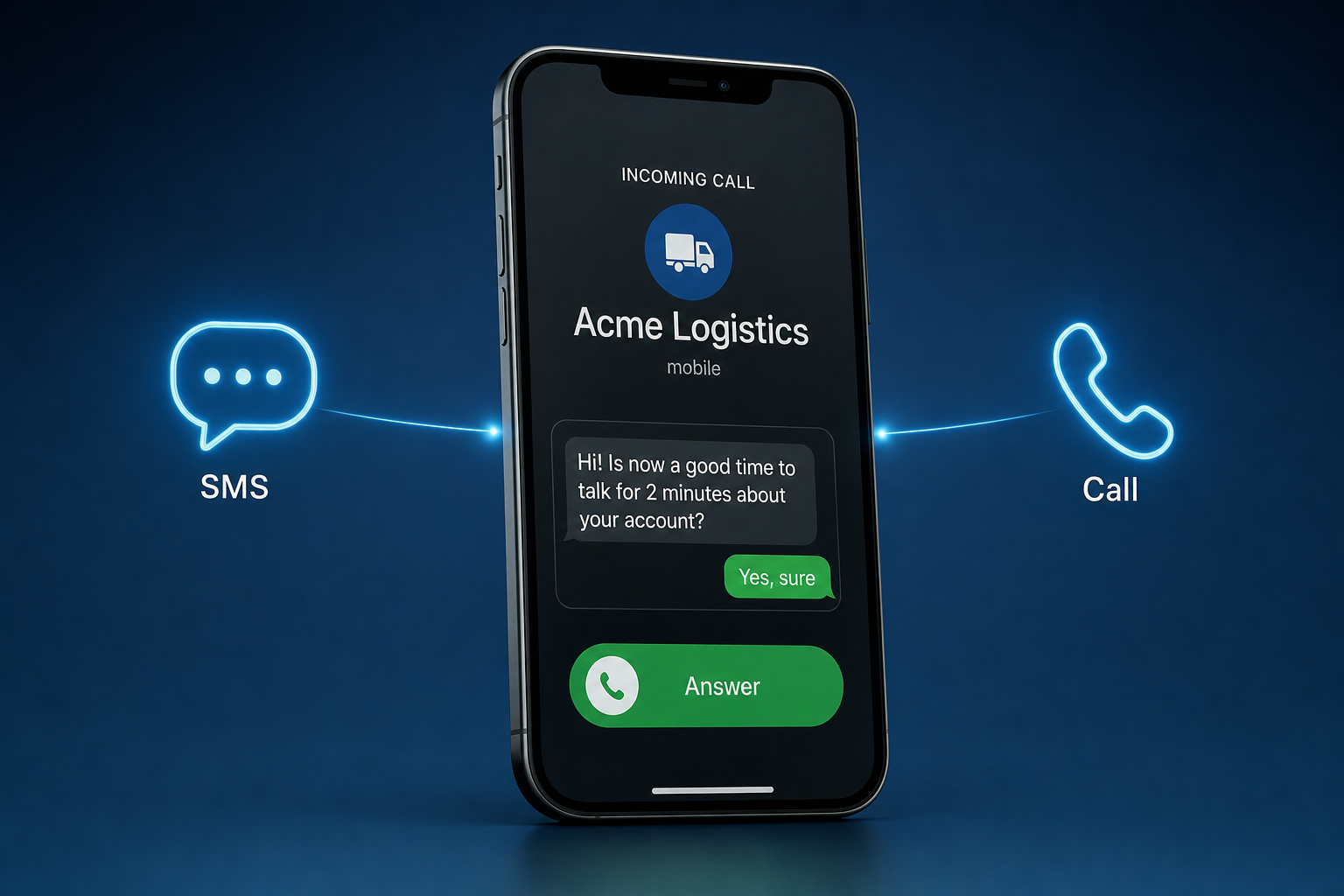
Modern lead follow-up is not one channel. SMS starts the conversation, voice handles high-intent moments, and RCS gives prospects richer proof when they need it.